
Recovering from Surgery: The Power of Small Steps and Finding Everyday Joy
The days before the surgery were full of tension and uncertainty. The date of my hospitalization suddenly became clear, so I had to prepare for what awaited me almost from one moment to the next. Although I tried to stay calm, I had a lot of fear. It was difficult to accept that from now on I was not in control, but everything was in the hands of the doctors.
In the last hours, the presence of my family gave me strength. We talked, laughed, and tried to spend those few hours as normally as possible. When they came to pick me up the next morning to take me to the operating room, I didn't have many thoughts left. I just looked at my mom and wanted to get through this difficult time...

I don't want to write about the surgery in detail now. What's really important to me is what came after: the recovery and the small steps of the past few weeks.
Difficulties in the first days after surgery
The first days after the surgery were not easy . I was not very conscious in intensive care and I didn't feel any pain. On the second day, when I was in the ward, I truly realized how much everything had changed. I couldn't hear at all in my right ear and very little in my left ear. My throat and face were also problematic. I was really scared about my right face because it was said that it would be saved, but I couldn't chew and I couldn't feel anything. My throat didn't really work either: I could barely swallow, only mashed food.
Everyone in the hospital was really nice. I got to know my roommates, the nurses were helpful, and the food was delicious. But the hardest part was that I couldn't hear anything. Because of that, they often didn't talk to me unless they had to, and I felt very alone.
However, the afternoons were always easier when my parents visited me. Their presence gave me a lot of strength. It was especially good when the weekend came, because then my mother could come to visit in the morning and afternoon. These moments helped me get through the hardest days.
During this period, I learned that healing is not a quick process. My body and mind needed time to adjust to the new circumstances. Losing my hearing was especially stressful, as part of the world suddenly went silent around me...
The importance of small steps in recovery
The recovery started slowly, in small steps. On the second day, they made me sit up and I had to eat like that. I managed to sit up and stay like that. That day, a physiotherapist came and helped me stand up, and we started moving my face.
Every day I was able to eat a little more, move around, and do things on my own. I was getting fewer and fewer infusions, and exercise also helped a lot with my recovery.
The physiotherapist didn't come over the weekend, but I didn't stop exercising. I walked twice a day and did exercises for my face. Even now, climbing stairs is hard, I have to get used to the fact that I don't feel dizzy anymore and that I can do it without holding on.
These small successes gave me hope and strength for the next ones. Like when I was able to sit on the edge of the bed by myself for the first time, or when I managed to swallow a sip of water without it hurting. These moments represented progress, even if they seemed small from the outside.
Conscious everyday life during recovery
Now, a month after the surgery, my daily routine is simple but conscious. I eat and rest in the morning, and in the afternoon I usually go for a 50–60 minute walk with my mom, and I usually go to bed around 9–10 PM.

My health is really in focus now. I have a smart ring that constantly measures important data about my body and alerts me if something is wrong. I started taking vitamins regularly and developed a simple facial care routine in the morning and evening.
Tracking my health helps me not to overexert myself and notice in time if something is wrong. Taking vitamins supports my body's regeneration, while the small ritual of facial care contributes to my sense of comfort.
The greatest joy, however, was when I received the hearing aid in my left ear that my parents had found and I began to hear part of the world again. This moment marked a new beginning and confirmed to me that perseverance pays off.
The role of family support
Since my diagnosis, my parents have been reading articles in three languages, asking different people, and constantly looking for opportunities. They are doing everything they can to ensure that I don't end up completely deaf by the time I'm 21.
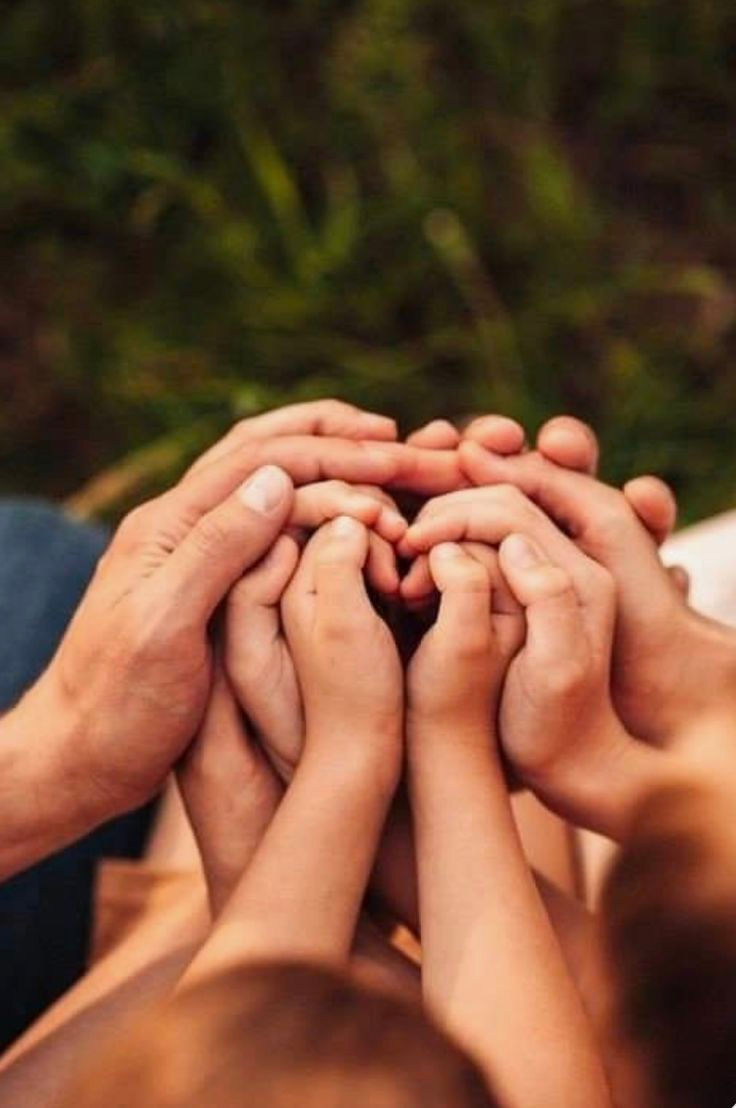
There is also my sister who lives in Germany, and although she is rarely able to come home, she writes and checks in every day. When she was here with us for five days after the surgery, that period meant a lot to me.
My other siblings and many family members and friends are also constantly interested and supportive. Many are trying to help in their own way.
The visits, the conversations, and the laughter together helped me not to lose hope. The presence of family and friends gave me strength in difficult moments and reminded me that I was not alone.
Many people are surprised that you can't help with objects, but by being present, interested, and emotionally supportive.
My mom used to say that now it's really clear who the people around us are the ones sincerely on our side.
What have I learned about recovery?
The past few weeks have taught me how important the little things are. Everyday things like a walk, a conversation, or being able to do more and more things on my own again have taken on a whole new meaning.
It may sound strange to a healthy person, but after the surgery I couldn't even do everyday things like yawn, sneeze, or cough. For a long time I didn't even dare to stretch.

Now all of these things have returned to my daily routine. Every day, I can do more, step by step, and I'm slowly returning to normal life. I'm cooking, planning, talking to more and more people.
This period also reminded me that anything can happen in life. What we can do today is worth doing now.
Recovery is not a race, it's a process. Post-surgery recovery is not just about rebuilding your body, it's also about regaining your strength. Finding small successes and everyday joys helps you appreciate the simple moments in life again and be grateful for the support you receive.
Maybe now I'm really learning that life is not valuable because everything is perfect, but because we are able to get back up even after difficulties.
Questions for readers
What is one little thing that you perhaps appreciate more today than you did a few years ago?
If you could send a message to your past self right now from a difficult time, what would you tell them?
Has there ever been a time in your life when you had to rebuild yourself in small steps?

Comments